Let's Apply Today is an independent job search aggregator. We may earn a commission when you click through.
Security Jobs in Singapore: Patrol, Response and Systems Roles
Compare 10 security openings by shift pattern, work setting and seniority, from hotel patrols and transit posts to APAC information security.
Security work in Singapore is not one job. A hotel loss-prevention officer may spend a shift checking alarms, helping guests and responding to medical incidents, while a systems project executive may spend the day coordinating access-control installations. The listings below cover frontline patrol, hospital and transit security, alarm response, and senior corporate roles.
The main mistake is applying to every vacancy with “security” in the title. Shift hours, licensing expectations, physical demands and technical responsibility can differ sharply. Start with the work pattern you can sustain, then match your experience to the site.
What to Check Before Applying
- Shift pattern: “Night shift” and “any five days a week” are not interchangeable. Confirm start times, rest days and overtime arrangements.
- Work setting: Hospitals, hotels, transit sites and corporate offices involve different levels of public contact and incident pressure.
- Responsibility: Patrol roles focus on presence and response; systems and information-security roles require project, technical or management experience.
- Training and credentials: The listings supplied do not state salary or licence requirements, so verify these directly before applying.
Singapore’s Police Licensing and Regulatory Department publishes information about security-industry regulation. Use that official source to check requirements rather than relying on a vague job-board summary.
Frontline Roles With Clear, Practical Duties
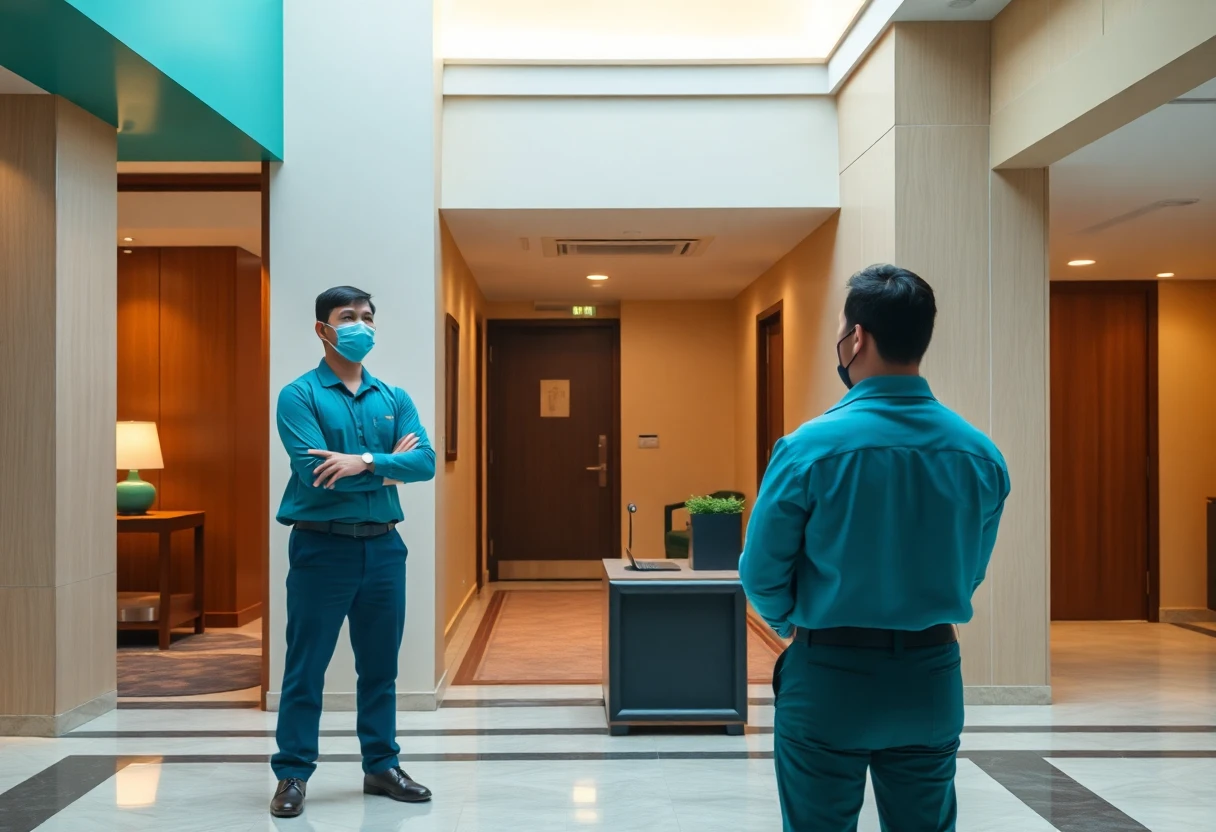
These four listings are closest to traditional site-security work. They involve visible presence, routine checks and response when something goes wrong. The work can be active and people-facing, so applicants who prefer quiet desk-based duties should read the descriptions carefully.
Marriott’s Loss Prevention Specialist listing is the most detailed frontline role in this group. The duties include patrolling the property, helping guests with room access, monitoring CCTV and alarm systems, checking physical hazards, locking entrances and responding to accidents. First aid or CPR may be required when emergencies occur. Best for someone with calm customer-service skills who can move between routine patrols and urgent incidents; the downside is that the role combines hospitality demands with safety responsibility, so it is not simply a quiet guard post.

Loss Prevention Specialist
The in-house Security Officer listing is tied to a hospital-security search in Woodlands, which points to a site where communication and restraint matter as much as physical presence. The available listing gives no salary, shift pattern or detailed duty list, so those are questions to ask before applying. Best for a candidate who wants a single-site role and is comfortable dealing with patients, visitors and staff; compared with the Marriott position, it offers less public information and therefore needs more checking at interview stage.

Security Officer
This Security Officer vacancy in Ang Mo Kio specifies work on any five days in a week. That wording gives more information than many generic listings, but it does not confirm whether the schedule rotates, includes weekends or follows fixed shifts. Best for someone who can commit to a five-day roster and wants a standard officer title without assuming a specialist track. Compared with the hospital-linked role, the schedule clue is useful, but the employer and daily duties remain unclear in the supplied listing.

Security Officer for work in any 5 days a week
The second Security Officer listing is also located in Ang Mo Kio, but the supplied data provides almost no detail beyond the title. That makes it harder to judge workload, site type or progression before submitting an application. Best for an applicant already living nearby who is prepared to confirm the assignment, hours and training directly. I would place it behind the more clearly described Marriott post because the lack of specifics creates avoidable uncertainty.

Frontline titles can hide very different environments. Marriott gives applicants a concrete picture of patrols, alarms and emergency response; the shorter officer listings may still be worthwhile, but you need answers about location, roster and duties before treating them as comparable.
That distinction matters most for applicants choosing between public-facing work and a quieter site assignment. The next two roles narrow the focus to night response and part-time transit coverage.
Night and Part-Time Assignments
Night work changes the job beyond the clock. Fewer colleagues may be on site, incidents can feel more isolated, and transport home becomes a practical concern. Part-time transit work offers a different kind of flexibility, but the public setting may bring more movement and interaction.
The Security Alarm Response Officer role in Sengkang is explicitly a night-shift position, so it suits applicants who are genuinely comfortable working overnight rather than people hoping to avoid daytime competition. Alarm response usually demands alertness, clear escalation and reliable travel planning, although the supplied listing does not spell out the route, vehicle requirement or response area. Best for an experienced officer who prefers incident-led work and can maintain concentration at night; ask how often alarms are triggered and whether the role is mobile or site-based.

Security Alarm Response Officer
The part-time Transit Security Officer listing in Ang Mo Kio is the clearest match for someone who cannot commit to a full-time roster. Transit sites bring regular public contact and changing foot traffic, so the role is likely to demand patience as well as observation, though the listing does not provide exact hours or pay. Best for a part-time worker with dependable availability and confidence speaking with commuters. Compared with the night alarm role, this path may offer a more public-facing routine rather than isolated overnight response.

Transit Security Officer

Night and part-time roles should be screened for practical details before title appeal takes over. Ask about transport, handover procedures, lone working, patrol distance and the exact roster. The listings do not publish those answers, so an applicant who needs predictable hours should not assume flexibility from a short title alone.
Frontline work is only one side of security. The final group moves into project delivery, corporate planning and information-security leadership, where technical and management experience matter more than patrol stamina.
Technical and Corporate Security Careers
The senior roles below are not substitutes for entry-level officer jobs. Their titles signal a different career track: systems implementation, regional information security and corporate planning. Read them as progression targets or specialist vacancies, not as quick applications for someone new to the field.
Senior Project Executive (Physical Security Systems) in Toa Payoh is the clearest bridge from guarding into security technology. The title points to project work involving physical-security systems, so applicants should expect coordination, delivery deadlines and technical discussions rather than routine patrols. The listing supplied here does not state the systems used or seniority requirements, which makes those points essential to verify. Best for a project professional with security-systems exposure who wants to move away from purely operational duties.

Senior Project Executive
The Regional Information Security Officer, APAC General Insurance role is the most senior and specialised listing in the set. Its regional scope and insurance-sector focus suggest responsibility across multiple markets and a stronger emphasis on information risk than physical guarding. No qualifications, reporting line or salary are included in the supplied data, so this is not a vacancy to approach casually. Best for an established information-security professional who has worked across teams or jurisdictions and can discuss governance, risk and incident management in detail.

Corporate Planner (Corporate) in Jurong East is the least obviously security-focused listing in the collection. Its inclusion alongside corporate-security search results does not prove that the role handles security work, and the supplied page contains no duties to clarify the connection. Best for a planning or coordination professional only after confirming the department, responsibilities and required experience. I would not treat this as a direct alternative to the physical-security systems or APAC information-security roles until the employer provides a full description.

The night-shift Security Officer vacancy in Ang Mo Kio is another frontline opening rather than a technical-career move. The title gives a clear shift signal, but the supplied listing does not explain the site, duties, pay or rest-day arrangement. Best for an applicant who has already decided that overnight work is acceptable and can confirm the assignment before applying. Compared with the senior information-security role, it has a lower apparent barrier to entry, but far less published information about progression.

Common Application Mistakes
- Assuming every officer role is interchangeable: A hotel, hospital, transit site and alarm-response post can require different communication styles and routines.
- Ignoring the shift language: “Night shift” is a firm lifestyle commitment. “Any five days” still leaves weekends and rotating hours open.
- Applying to senior titles without evidence: Project and regional information-security roles need examples of systems delivery, governance or cross-team work.
- Skipping employer verification: Several listings are routed through Talent.com and contain limited detail. Use the job-board source to locate the full posting, then confirm the employer and application process.
- Leaving the CV generic: Put patrol experience, incident reports, access control, CCTV, first aid, customer service or systems projects near the top, depending on the role.
A Quick Decision Framework
Choose the Marriott Loss Prevention Specialist if you want a clearly described hotel role combining patrols, alarms, guest assistance and emergency response.
Choose the hospital-linked or standard Security Officer listings if you prefer site-based frontline work, but confirm the roster, location and duties before applying.
Choose the alarm-response or night-shift posts if overnight work genuinely suits your routine and you can manage transport and alertness requirements.
Choose the transit role if part-time work and public-facing duties matter more than a conventional full-time schedule.
Choose the physical-security systems or APAC information-security role only if your background already supports project delivery, technical security or regional governance.
Security careers can lead from visible site work into systems and information-risk roles, but the progression is not automatic. Match your CV to the actual duties, ask direct questions about missing terms, and avoid applying to a senior title simply because it contains the word “security.”
For applicants who prefer communication-heavy work after comparing security roles, the next useful route is Call Centre Jobs in Singapore: Banking vs Hospitality, which compares the pace, customer contact and workplace expectations in two common service environments.